
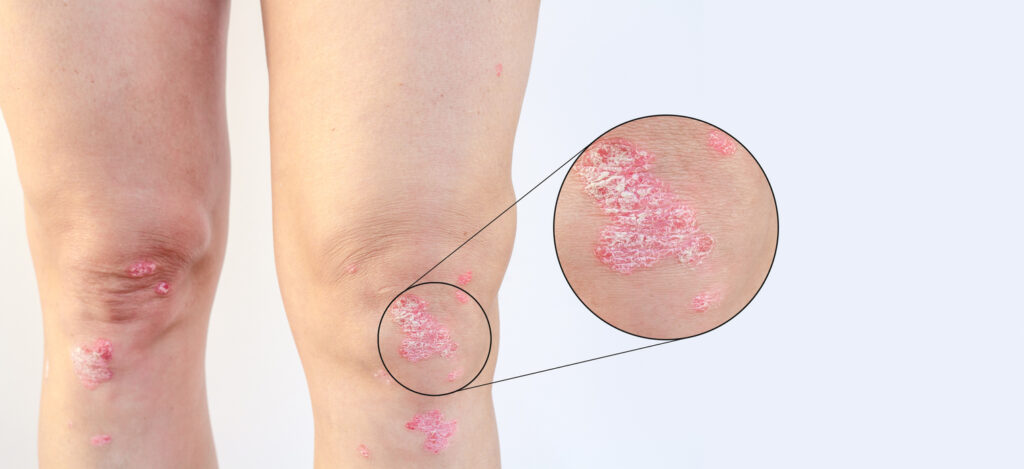
Glucagon-like peptide-1 receptor agonists (GLP-1RAs) may be a practical, adjunctive treatment option for patients with psoriasis and metabolic comorbidities, according to The National Psoriasis Foundation Primer on GLP-1 Receptor Agonists in Psoriasis: A Review, which appears in JAMA Dermatology.
When examining the data, researchers found that GLP-1RA agents showed potential as adjunctive therapies for psoriasis, particularly for patients with obesity, type 2 diabetes, or cardiometabolic risk. The review points to improvements in severity, quality of life, and systemic inflammation that have been demonstrated across several studies, as well as generally favorable safety profiles alone or in combination with existing psoriatic disease therapies.
While the authors note that further clinical validation is needed, they encourage dermatologists to consider GLP-1RA therapy to improve psoriatic disease care in people with psoriasis and obesity while potentially realizing additional benefits.
“We know how significantly cardiology comorbidities can affect patients living with psoriasis, and having these types of adjunctive therapies are so impactful. The improvements seen in patients with regards to systemic inflammation and comorbidities [are] promising and exciting,” shares Brittany Weber, MD, PhD, Assistant Professor of Medicine and Dermatology and Director, Cardio-Rheumatology and Cardio-Dermatology Program at UT Southwestern Medical Center, in Dallas, TX, in a news release.
Key Takeaways:
- While you can prescribe GLP-1RAs for uncomplicated patients without complex comorbidities, more complex cases might require specialist referral.
- Ideal candidates include adults with obesity-related moderate-to-severe psoriasis who are interested in weight loss or candidates with mild type 2 diabetes on oral agents when the treatment may support dermatologic goals.
- Documentation should record the exact GLP-1RA, formulation, dose, route, titration schedule, indication, prescriber, baseline and follow-up weight, BMI, HbA1c, fasting glucose, lipid profile, and Psoriasis Area and Severity Index (PASI)/Body Surface Area (BSA), Dermatology Life Quality Index (DLQI), pruritus, and joint symptoms.
- GLP-1RAs do not cause broad immunosuppression and are associated with reduced risk of serious infections.
“The NPF Medical Board brings expert opinion to clinical care of psoriatic disease,” shares Guy Eakin, PhD, NPF Chief Science and Medical Officer. “For many years we have suspected that one of the ways clinicians can optimize modern psoriasis therapy is through weight management. These new GLP-1RA medications suggest a tremendous and potentially life-changing opportunity for patients. The NPF Medical Board is proud to be able to offer this primer for the dermatology community that helps introduce what is known and what remains to be studied regarding these remarkable new therapies.”
