
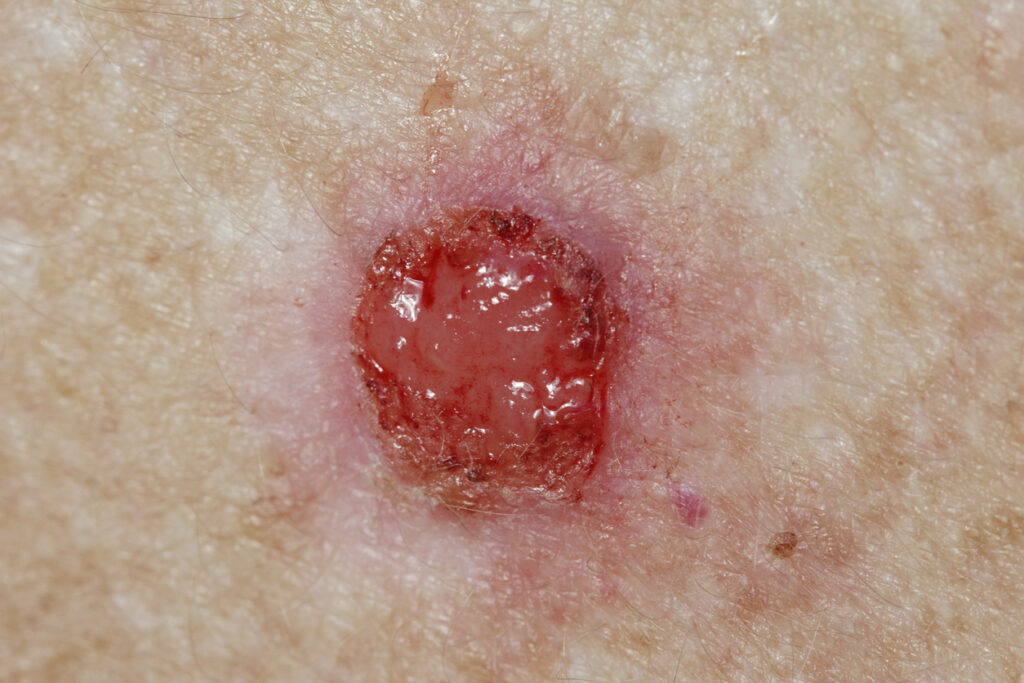
The US Food and Drug Administration (FDA) has approved Biofrontera Inc.’s supplemental New Drug Application (sNDA) for Ameluz (aminolevulinic acid hydrochloride topical gel, 10%), in combination with photodynamic therapy using the BF-RhodoLED lamp series, for the treatment of superficial basal cell carcinoma (sBCC) in adults.
With this approval, the gel becomes the first and only PDT drug approved by the FDA for the treatment of a skin cancer, and the only topical PDT in the United States indicated to treat both a pre-cancerous skin condition, actinic keratosis (AK), and a skin cancer.
The Company plans to launch of the sBCC indication late in the fourth quarter of 2026 through the first quarter of 2027 with its existing commercial organization and installed lamp base.
“FDA approval of Ameluz for superficial basal cell carcinoma is a defining milestone for Biofrontera,” says Hermann Luebbert, Chief Executive Officer and Chairman of Biofrontera, in a news release. “Ameluz is now the first and only photodynamic therapy approved in the United States to treat a skin cancer, which sets our platform apart in medical dermatology and gives dermatologists an effective, non-surgical option for a very common tumor. This approval reflects years of disciplined investment in the clinical development of Ameluz, and the latest stage in the ongoing expansion of our PDT platform.”
The approval is supported by a multicenter, randomized, double-blind, vehicle-controlled Phase 3 trial in 187 adults with histologically confirmed sBCC. The primary endpoint was a composite of both clinical and histological complete response of a main target lesion 12 weeks after the start of the last PDT cycle. This target was achieved in 66% of subjects treated with Ameluz PDT (95/145) compared with 5% of subjects treated with placebo-PDT (2/42). Histological clearance of the main target lesion was seen in 76% of Ameluz PDT treated patients vs. 19% with placebo-PDT, and 83% of Ameluz-treated subjects achieved complete clinical clearance of all target lesions compared with 21% for placebo-PDT. The most common adverse reactions were application-site reactions consistent with the known safety profile of Ameluz PDT.
“For many patients with superficial basal cell carcinoma — those with multiple lesions, lesions in cosmetically sensitive locations, or for whom surgery would not be preferred — treatment options have been limited,” says M. Shane Chapman, MD, MBA, a Dermatologist and Professor and Founding Chair of the Department of Dermatology at Dartmouth Hitchcock Medical Center and the Dartmouth Geisel School of Medicine in Hanover, NH, and a contributor to the Phase 3 study. “This FDA approval for Ameluz and the RhodoLED gives us a rigorously studied, non-surgical option that we can deliver in our office. As someone who has worked with PDT for many years, I see this as a meaningful expansion in the use of this treatment.”
