
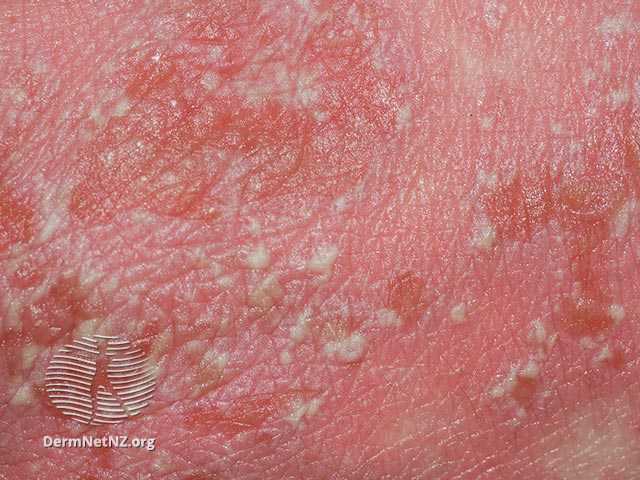
The US Food and Drug Administration (FDA) has accepted the filing of Vanda Pharmaceuticals’ Biologics License Application (BLA) for imsidolimab for the treatment of generalized pustular psoriasis (GPP), with a target action date of December 12, 2026.
Imsidolimab is a fully humanized IgG4 monoclonal antibody that inhibits interleukin (IL)-36 receptor signaling and is believed to achieve its therapeutic effects in GPP where IL-36 signaling is unbalanced.
Imsidolimab was studied in global clinical studies conducted in the United States, France, Spain, Poland, Turkey, Malaysia, Thailand, Georgia, Tunisia, Taiwan, and Morocco. In the pivotal efficacy studies GEMINI-1 and GEMINI-2, a single intravenous dose of imsidolimab led to rapid disease clearance, with 53% of patients achieving Clear or Almost Clear skin (GPPPGA 0/1) at Week 4 compared to 13% on placebo. Efficacy was maintained throughout an approximately two-year maintenance period with monthly doses, and no flares occurred in the active treatment arm. Imsidolimab exhibited a favorable safety profile and demonstrated a low incidence of anti-drug antibodies, which can be a significant advantage over existing treatments. GPP is a rare disorder with prevalence estimates varying widely by region, ranging from approximately 2 to 124 cases per million worldwide (lower in Europe and higher in parts of Asia).
“The acceptance of the BLA filing for imsidolimab marks a critical milestone in our efforts to bring this innovative therapy to patients suffering from GPP,” says Mihael H. Polymeropoulos, MD, President, CEO, and Chairman of the Board of Vanda Pharmaceuticals, in a news release. “Imsidolimab builds on our growing expertise in rare orphan disorders and our anti-inflammatory portfolio. Imsidolimab represents a precision medicine approach targeting a disorder with a known genetic cause using a fully humanized monoclonal antibody against the IL-36 receptor. We look forward to potential FDA approval and leveraging our commercial infrastructure to address this debilitating condition.”
