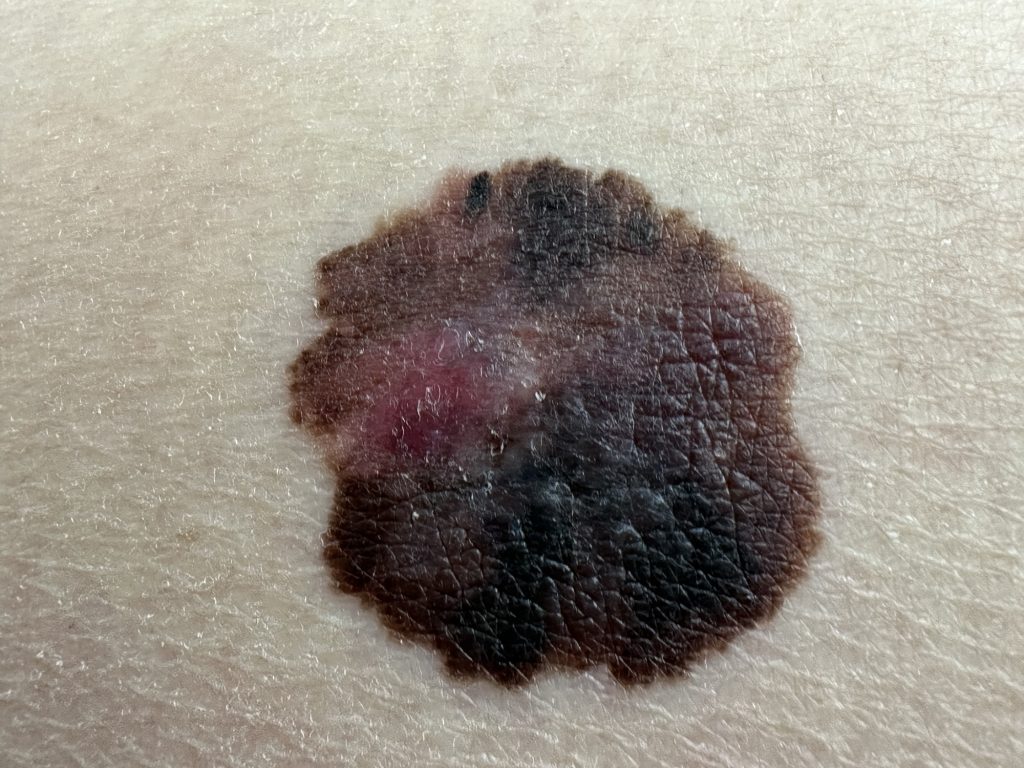
SciBase’s Nevisense electrical impedance spectroscopy (EIS) is now included in the US National Comprehensive Cancer Network (NCCN) Clinical Practice Guidelines in Oncology for melanoma.
EIS is a noninvasive technology that sends a painless, very-low-voltage electrical current through a pigmented lesion to determine if it is benign or malignant.
The NCCN guidelines refer to EIS as a diagnostic support technology to aid in the detection of melanoma.
NCCN develops the NCCN Clinical Practice Guidelines in Oncology (NCCN Guidelines), which are recognized as the standard for clinical policy and patient care in oncology.
“The inclusion of Nevisense (electrical impedance spectroscopy) in the NCCN Guidelines underscores the importance of objective technologies in melanoma detection,” says Alexander Meves, MD, MBA, a Dermatologist and Professor at the Mayo Clinic College of Medicine in Rochester, MN, in a news release. “Guideline inclusion helps clinicians understand how technologies like Nevisense fit into established clinical strategies focused on earlier detection.”
“Including electrical impedance spectroscopy in these guidelines reflects the ongoing need in melanoma detection to incorporate objective data that improves clinical judgment,” adds Darrell Rigel, MD, Clinical Professor of Dermatology at New York University (NYU) in New York, NY. “While visual assessment and dermoscopy have long been shown to improve melanoma detection rates, our published clinical research demonstrates that adding Nevisense (EIS) provides a further statistically significant and clinically meaningful improvement.”
“As melanoma incidence continues to rise, the need for earlier and more accurate assessment has never been greater,” says Pia Renaudin, CEO of SciBase. “NCCN Guidelines highlights the critical role of advanced, non-invasive, point-of-care technologies like Nevisense in helping clinicians detect melanoma earlier and improve outcomes for patients.”