
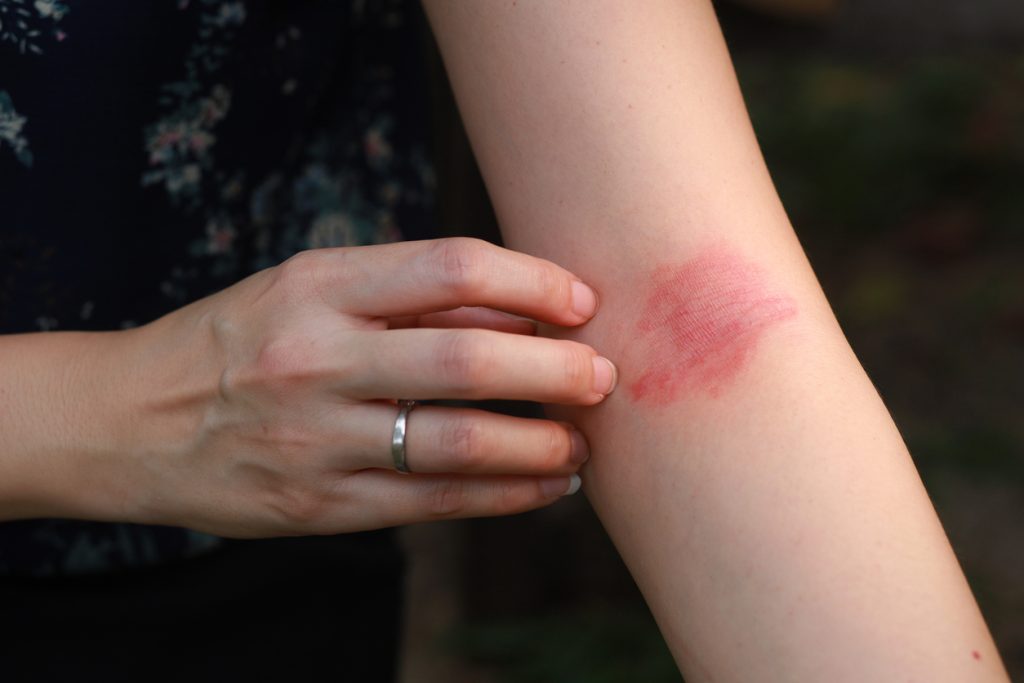
The Committee for Medicinal Products for Human Use (CHMP) of the European Medicines Agency (EMA) has issued a positive opinion recommending the approval of ruxolitinib cream (Opzelura, Incyte) for the treatment of moderate atopic dermatitis (AD) in adults in whom topical corticosteroids (TCSs) and topical calcineurin inhibitors (TCIs) are inadequate or inappropriate.
The CHMP opinion is now being reviewed by the European Commission (EC), which has the authority to grant approval for all centrally authorized products in the European Union (EU). If approved, this would be the second indication for ruxolitinib cream in the EU, which was previously approved by the EC for the treatment of non-segmental vitiligo with facial involvement in adults and adolescents from 12 years of age.
The positive CHMP opinion is based on results from the pivotal Phase 3 TRuE-AD4 study (NCT06238817), supported by the Phase 3 TRuE-AD1 (NCT03745638) and TRuE-AD2 (NCT03745651) studies, evaluating the safety and efficacy of ruxolitinib cream in adults with AD.
In TRuE-AD4, ruxolitinib cream significantly improved the clinical signs and symptoms of moderate AD, including itch, as early as Day 2 and was well-tolerated in adults who had an inadequate response, intolerance, or contraindication to both TCSs and TCIs. The TRuE‑AD4 study met its co‑primary endpoints at Week 8, with a statistically significantly higher proportion of patients on ruxolitinib cream vs. vehicle cream achieving a ≥75% improvement from baseline in the Eczema Area and Severity Index (EASI-75), and, separately, Investigator’s Global Assessment Treatment Success (IGA‑TS, defined as an IGA score of 0 [Clear] or 1 [Almost Clear] with at least a two-point improvement from baseline).
Efficacy was maintained following the initial treatment period with 84.3% of patients achieving EASI-75 and 70.6% achieving IGA-TS with as needed therapy at Week 24. Mean affected body surface area (BSA) decreased markedly from 15.1% at baseline to 2.5% at Week 8 and remained low at Week 24 (2.5%), while itch relief (NRS4; ≥4-point improvement in Itch Numeric Rating Scale) remained high (74.3% at Week 8 and 64.7% at Week 24) with ruxolitinib cream treatment.
Additionally, patients treated with ruxolitinib cream also showed improvements in quality of life, with mean Dermatology Life Quality Index (DLQI) scores improving from 19.3 at baseline to 4.3 at Week 8, compared with 19.1 to 10.7 with vehicle cream (control).
Ruxolitinib cream was well-tolerated, with no serious infections, major adverse cardiovascular events, malignancies, or thromboses reported during the 24-week treatment period. The most common treatment-emergent adverse events were upper respiratory tract infection (10.6%) and nasopharyngitis (6.3%).
