
The Melanoma Research Alliance (MRA) is launching the MRA Melanoma Biorepository.
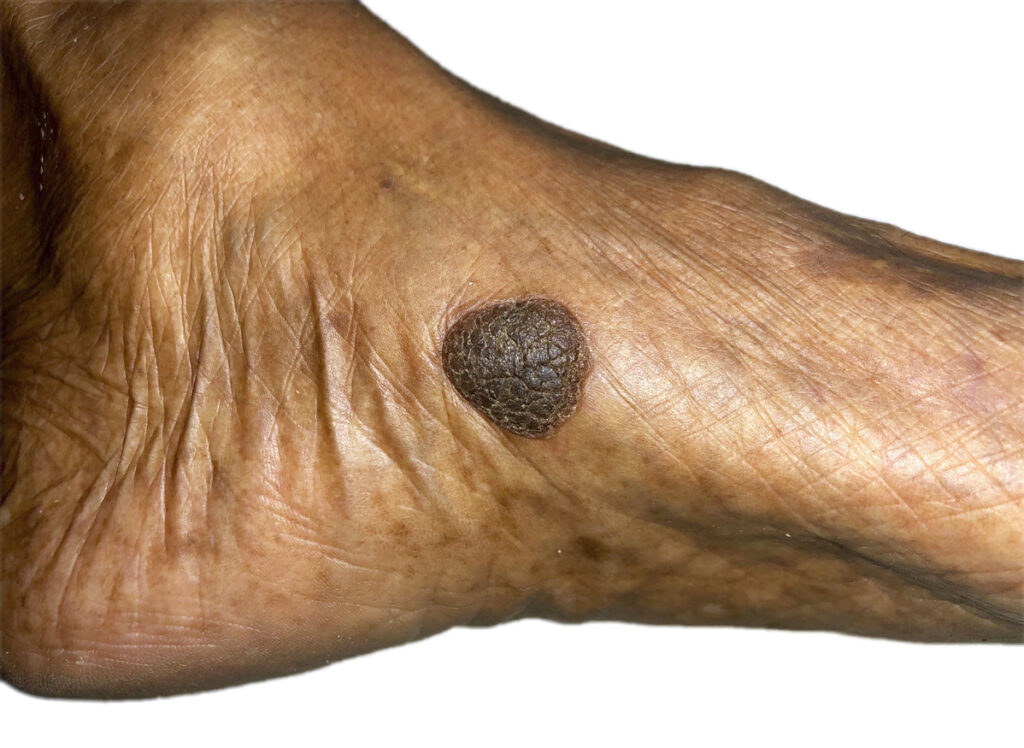
The new Biorepository will provide researchers with access to high-quality tumor and normal tissue samples from consented patients with melanoma. While roughly 90% of melanomas form on sun-exposed skin, the biorepository will be particularly helpful for the rare melanoma subtypes—such as acral and mucosal. Each year, about 5,000 patients are diagnosed with these subtypes. Due to their relative obscurity, patients facing these rare subtypes are often diagnosed later and have poorer prognoses.
This new initiative in partnership with the University of Colorado, the host site for the MRA Melanoma Biorepository, allows scientists to investigate the biology of melanoma more deeply, identify new therapeutic targets, and develop predictive and prognostic biomarkers that could improve outcomes for patients with melanoma worldwide.
“Major breakthroughs in cancer research start with access to quality biospecimens,” says Joan Levy, PhD, MRA’s Chief Science Officer, in a new release “Through this effort, patients can directly contribute to research that will fuel the future of improved melanoma treatments.”
Data and preclinical tools generated from samples collected via the MRA Melanoma Biorepository will help expedite the identification of new drug targets, facilitate biomarker discovery and accelerate the translation of laboratory findings into clinical advances.
The MRA Melanoma Biorepository is designed to be accessible and inclusive of all melanoma subtypes. Patients across the United States can donate samples—such as tumor tissue, blood, saliva, or other fluids—from past or future biopsies or surgeries, regardless of where they receive care. These specimens may be used for immediate research, stored for future studies or further processed into DNA, RNA or protein for advanced analysis. They may also support the creation of vital scientific resources such as cell lines, tissue microarrays, and patient-derived xenograft (PDX) models.
“I’m excited to bring a decade of melanoma biobanking experience to this important MRA initiative. Biobanked samples, especially for rare melanoma subtypes, are notoriously difficult to access in the current biorepository landscape,” says Kasey Couts, PhD, Assistant Professor and Co-Director of the CU Center for Rare Melanomas at the University of Colorado Anschutz Medical Campus. “By creating a centralized, researcher-friendly biorepository, MRA is removing a major barrier and enabling the kind of collaborative science that will drive real breakthroughs for patients.”
For more information on how to participate or to learn more about the MRA Melanoma Biorepository, visit curemelanoma.org/biorepository or email biorepository@curemelanoma.org.